


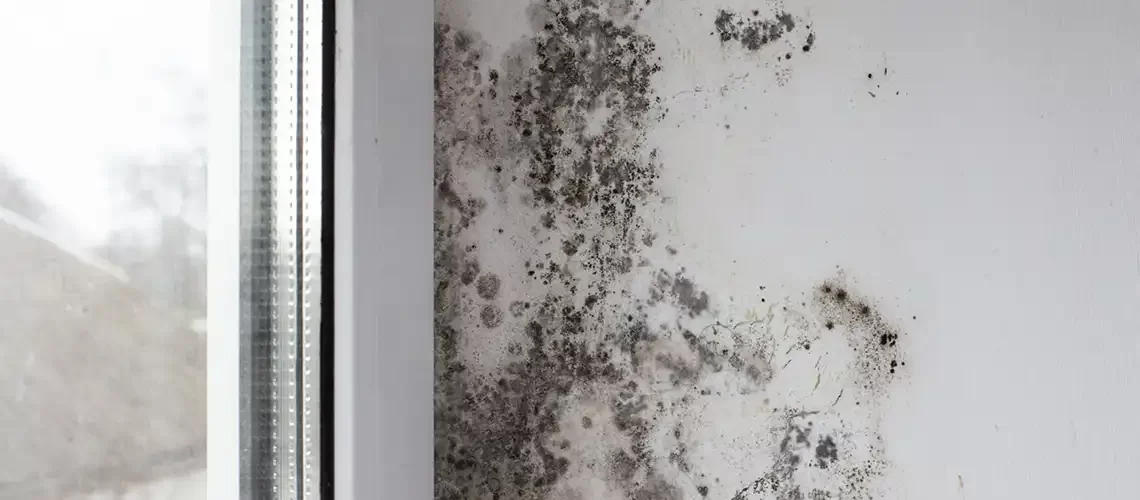
Why does mould grow so easily in Singapore homes?
Singapore’s tropical climate is a perfect greenhouse for mould. Average indoor humidity often exceeds 80 %, far above the 60 % threshold where spores start to thrive. Apartments built for air-conditioning rather than cross-ventilation trap this moisture, giving mould the dark, still spaces it needs to spread—behind wardrobes, in bathrooms, even in air-con ducts. Over time, colonies feed on dust, paint, and cellulose in wallpaper, making them difficult to remove completely.
The National Environment Agency’s 2024 ventilation guidelines highlight how poor airflow and condensation drive mould growth. Simple habits—opening windows at the right times, servicing AC units, or using dehumidifiers—can make a measurable difference. Even small moisture sources like drying laundry indoors or shower steam can maintain the microclimate mould loves. Prevention starts with understanding that humidity is not just a comfort issue; it’s biology at work.
How does mould affect your health and indoor air quality?
Because mould is a living organism, it releases spores and volatile organic compounds (VOCs) as it grows. These particles mix into the air, reducing indoor air quality and triggering respiratory symptoms. Studies link black mould exposure to coughing, nasal irritation, skin rashes, and in sensitive groups—like children, the elderly, or those with asthma—to serious respiratory inflammation. A local report in 2024 described “alarming rates of mould growth in Singaporean homes” and a rise in mould-related allergies.
Even when invisible, spores travel through AC systems, spreading to new corners of the home. Prolonged exposure can strain the immune system, cause chronic sinus infections, and worsen existing lung conditions. This is why NEA’s guidance on ventilation and indoor air quality now emphasizes moisture management as a public-health concern. Mould isn’t just ugly—it’s interactive, inhalable, and alive.
What’s the right way to remove mould without spreading it further?
Mould removal requires precision. Scrubbing visible spots may actually worsen the problem by releasing more spores. Effective mould remediation combines containment, cleaning, and prevention. Professionals use HEPA-filtered vacuums to trap spores, followed by mild biocides or eco-friendly cleaning agents that neutralize growth without harming surfaces.
For Singapore households, bathroom mould removal and AC duct cleaning are priority areas. During cleaning, isolate affected zones, wear protection, and discard heavily contaminated materials. After cleaning, lower humidity using dehumidifiers or air conditioners set around 50 – 55 % RH. Choosing anti-mould paint and materials rated for tropical climates can help seal the recovery. The goal is not just to wipe away evidence—but to interrupt the life cycle.
How can you prevent mould from returning in humid climates?
Prevention begins with controlling moisture and airflow. Use a dehumidifier in bedrooms and enclosed kitchens, and check that AC units drain properly to avoid condensation. Schedule quarterly servicing to clean coils and filters where spores can hide. Consider HEPA air purifiers to trap airborne mould fragments and VOCs.
Building materials matter too. Choose low-VOC, anti-mould paints, and avoid storing organic fabrics or cardboard in damp corners. Ventilate after showers, open windows during dry hours, and use sustainable home cleaning products that don’t feed fungal growth. Most importantly, track humidity with a small hygrometer—keeping levels below 60 % is the single most effective defence against mould’s return.
How The Better Guys Singapore helps you keep your home mould-free
At The Better Guys Singapore, we see mould removal not as housekeeping, but as health protection. Our assessments start with moisture mapping—identifying hidden leaks, condensation points, and ventilation imbalances in HDB flats, condos, and landed homes. We combine targeted mould remediation with sustainable products that are safe for families and pets, and we design follow-up plans to maintain optimal humidity year-round.
Beyond removal, we help homeowners adopt preventive habits: filter-change schedules, airflow checks, and eco-friendly material choices. We align our methods with NEA guidelines for ventilation and indoor air quality, ensuring long-term results that respect both health and environment.
