


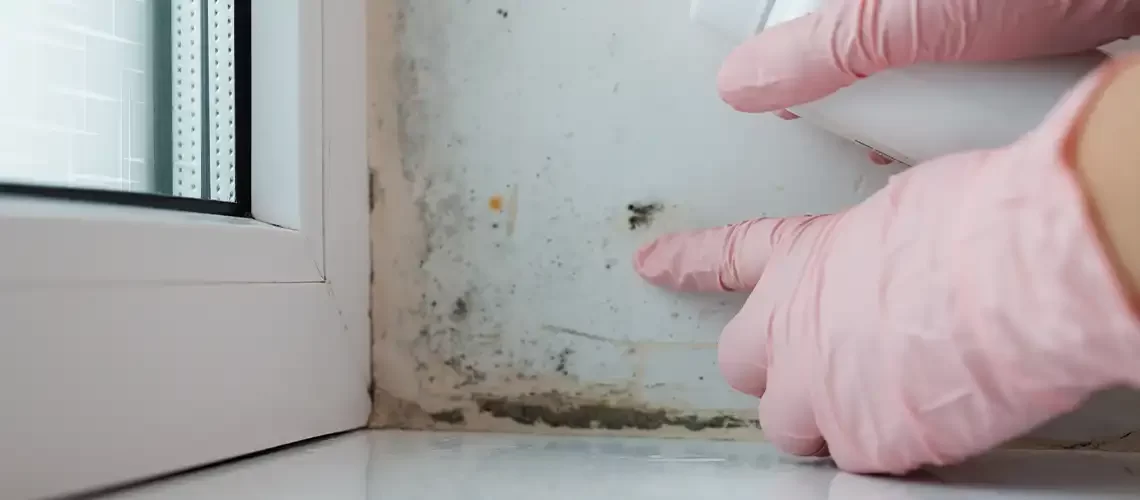
Why Does Mould Keep Coming Back Even After Cleaning?
Many Singaporeans clean their homes regularly, but still deal with recurring mould. That’s because surface cleaning alone doesn’t address the underlying cause: persistent moisture and poor airflow. In tropical climates, wiping down affected areas with bleach or vinegar might remove stains temporarily—but spores often remain buried in porous materials. Without deep cleaning and moisture control, mould comes right back.
More importantly, not all mould is visible. Some types grow beneath wallpaper, behind furniture, or under floorboards where cleaning tools can’t reach. Professional mould inspection services in Singapore help you find the root.
What Common Materials Attract Mould in Singapore Homes?
Porous and absorbent materials are the biggest culprits. Think soft furnishings, cardboard storage boxes, wood furniture, and even clothes stored in damp cabinets. In HDB flats and condos where airflow is limited, these items easily absorb moisture and become breeding grounds. Mould doesn’t discriminate. It loves everything from bath mats to books.
One overlooked material is fabric furniture like sofas and bed headboards. These retain body heat and humidity, especially in aircon-heavy bedrooms. Mattresses, especially memory foam, are also high-risk if ventilation is poor. If you live in a smaller space, knowing which everyday items attract mould is half the battle.
Can Fabric Furniture and Mattresses Grow Mould?
Absolutely, and it’s more common than you’d think. Your bed absorbs sweat, humidity, and dead skin cells, which creates the perfect storm for hidden mould growth. Mattress mould removal is a rising concern, especially in BTO flats where airflow is limited during renovation or post-handover stages.
Fabric couches, cushions, curtains, and rugs also hold onto moisture. If you use a dehumidifier in the living room but not in your bedroom, you might be giving mould a free pass where you rest. In these cases, investing in regular deep cleaning or professional home services can save you from bigger health problems down the line.
How Does High Humidity Affect Indoor Mould Growth?
Singapore’s humidity averages between 75% and 95%, making it one of the most mould-prone environments in the world. High indoor humidity, especially in bathrooms, kitchens, and bedrooms, accelerates mould growth even in homes that look “clean.” And here’s the kicker: You don’t have to see water for it to be damp. Sometimes moisture is trapped in the air.
Without a proper indoor humidity control system, aircon units may worsen the issue by cooling without drying. That’s why air quality is closely tied to both health and comfort. Monitoring tools, regular aircon servicing, and airflow-friendly layouts are important for mould prevention.
What Are the Health Risks of Hidden Mould?
The effects of indoor pollutants aren’t always visible at first. But hidden mould can cause symptoms like coughing, sneezing, rashes, headaches, and persistent fatigue. For individuals with asthma, allergies, or skin conditions, even low-level exposure to mould can be harmful. Children and the elderly are especially vulnerable.
Some types of mould release mycotoxins, which can trigger long-term health effects. If you’ve noticed recurring sinus issues, brain fog, or skin irritation without a clear cause, mould might be the missing link. Safe vs. clean homes are not the same and what feels “fresh” may still harbor risk.
What’s the Safest Way to Remove Mould from Sensitive Materials?
The bleach myth needs to go. Bleach doesn’t kill deep-rooted mould on porous materials. It merely whitens the surface. In fact, it often makes things worse by spreading spores when improperly used. Instead, materials like wood, fabric, and foam need tailored solutions like mould-specific enzyme treatments or steam-based cleaning.
Hiring mould removal services helps avoid cross-contamination and ensures the use of appropriate tools and chemicals. Professionals also evaluate moisture sources, suggest layout changes, and may even inspect aircon systems, which often harbor hidden spores. Sensitive materials deserve sensitive, science-backed care.
How Can You Prevent Mould from Returning?
Mould prevention is all about three things: moisture control, airflow, and awareness. Install dehumidifiers in key zones, open windows regularly, and avoid pressing furniture too close to walls. Home care checklists now often include monthly ventilation routines, quarterly mattress sunning, and bi-annual aircon servicing.
Avoid storing items in cardboard or fabric boxes. Opt for plastic containers with airtight lids. Replace bath mats and sponges often. And schedule property maintenance as part of your home’s wellness routine, not just after a problem shows up. Mould thrives on neglect, so don’t give it the chance.
🧼 Don’t Let Mould Hide—Let The Better Guys Handle It
If you’ve spotted black spots on the ceiling or felt that your room smells a little too damp lately, it’s time to take action. The truth is, mould removal is about understanding the risks, the environment, and the science behind home wellness. At The Better Guys, we combine deep cleaning with smart diagnostics to keep your home mould-free, safe, and breathable. Don’t wait for the symptoms to show. Let us help you reclaim your space with care that goes beyond the surface.
